


Fulbright Study/Research Award

Conduct independent research, build global connections, and contribute to mutual understanding through immersive fieldwork in Nepal.

Program Overview

The Fulbright U.S. Student Researcher Program provides grants for individually designed research projects abroad. In Nepal, the program offers American graduate students and graduating seniors the opportunity to engage in in-depth research while experiencing the country’s rich cultural, social, and academic landscape.

Participants collaborate with local institutions, scholars, and communities, contributing to knowledge exchange and fostering long-term cross-cultural partnerships.

Learn more: Nepal Awards

What You Can Do

As a Fulbright U.S. Student Researcher in Nepal, you can:

  • Conduct Independent Research: Design and implement an original research project aligned with your academic interests and professional goals.
  • Collaborate with Nepali Institutions: Work with universities, research centers, NGOs, and other organizations to exchange knowledge and benefit from local expertise.
  • Engage in Fieldwork: Collect data, conduct interviews, undertake observations, and participate in field-based research relevant to your project.
  • Explore Diverse Disciplines: Pursue research in areas such as STEM, disaster management, public health, environmental sciences, education, anthropology, linguistics, agriculture, development studies, and the humanities.
  • Share Research Findings: Present your work through academic discussions, workshops, seminars, and other opportunities for knowledge exchange.
  • Experience Cultural Exchange: Engage with local communities, learn about Nepali traditions and perspectives, and share aspects of American culture.

Host Institution and Research Affiliation

Fulbright U.S. Student Researchers are expected to establish an affiliation with an appropriate institution or organization in Nepal that can support their proposed research.

Host institutions may include universities, research centers, academic departments, hospitals, nonprofit organizations, or other institutions relevant to the proposed project.

A strong institutional affiliation helps researchers:

  • Access relevant academic expertise, facilities, and research resources.
  • Receive guidance on local research contexts and methodologies.
  • Establish connections with Nepali scholars, professionals, and communities.
  • Navigate institutional procedures and relevant research requirements.
  • Share research findings and contribute to ongoing academic collaboration.

Applicants should identify a suitable host institution and secure a letter of affiliation as part of their application, in accordance with the current Nepal-specific award requirements.

Why Choose Nepal?

Nepal offers a distinctive setting for research across a broad range of academic disciplines. Its geographic diversity, rich cultural heritage, and evolving social, environmental, and economic landscape provide opportunities for meaningful academic inquiry.

Research projects may explore areas such as:

  • Public Health and Medicine: Community health, infectious diseases, maternal and child health, environmental health, and healthcare delivery.
  • Environment and Disaster Management: Himalayan ecosystems, biodiversity conservation, natural hazards, disaster risk reduction, emergency preparedness, and community resilience.
  • Science, Technology, Engineering, and Mathematics (STEM): Scientific research, engineering innovations, applied sciences, renewable energy, and technological solutions to local challenges.
  • Artificial Intelligence and Emerging Technologies: AI applications, machine learning, data science, digital transformation, and responsible technology development.
  • Entrepreneurship and Innovation: Startup ecosystems, social entrepreneurship, technology commercialization, business innovation, and sustainable economic development.
  • Education and Social Sciences: Educational practices, migration, community development, and public policy.
  • Culture, Language, and Heritage: Linguistics, anthropology, religious studies, cultural preservation, and historical research.
  • Agriculture and Sustainable Development: Food systems, agricultural innovation, rural livelihoods, and sustainable resource management.

Research opportunities are not limited to the fields listed above. Applicants from all academic disciplines are encouraged to propose original research projects that align with their academic interests and expertise.
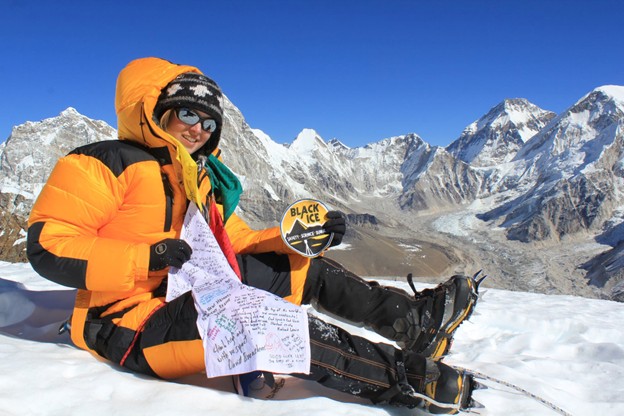
2013 US Student Resarcher Ulyana Horodyskyj

Application Process

Applications for the Fulbright U.S. Scholar Program in Nepal are submitted through the Fulbright U.S. Scholar Program, administered by the Institute of International Education (IIE).

The application generally includes:

  • An online application.
  • A project statement outlining the proposed teaching, research, or professional activities.
  • A curriculum vitae or résumé.
  • Letters of recommendation.
  • A letter of invitation or affiliation from a Nepali host institution, where required.
  • Additional supporting materials specified for the relevant award.

The competition is conducted annually. Applicants are encouraged to review the Nepal-specific award descriptions, eligibility requirements, and application deadlines before applying.

Explore Awards and Apply Through the Fulbright U.S. Scholar Program

Past Grantees

The profiles of the past grantees can be viewed here.

Contact the Fulbright Commission in Nepal:

We’re happy to support you. Contact us at fulbcomm@fulbrightnepal.com.np

News and Announcements